Enjoyable Activities for Individuals in Rehab Programs
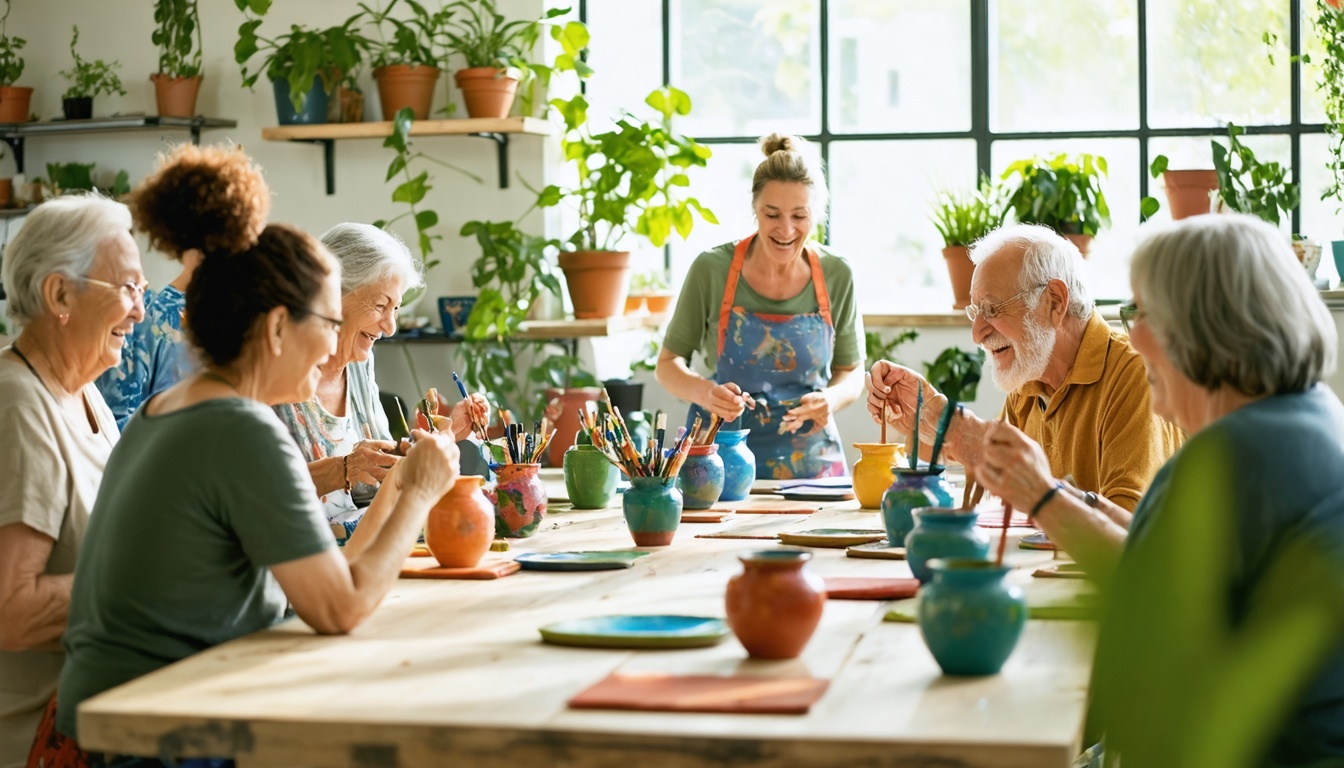
Engaging in enjoyable activities during rehab programs serves multiple purposes that contribute to an individual's recovery process. These activities can be distinguished as tools for enhancing confidence, managing stress, and fostering social connections, all of which are important elements in the rehabilitation process. Artistic pursuits, such as painting or drawing, can provide therapeutic benefits by offering an outlet for self-expression. These creative activities have been shown to help individuals articulate emotions and experiences that may be difficult to express verbally. Additionally, structured routines, including scheduled group workouts, can promote fitness and physical health, which are essential components of recovery. Research indicates that physical activity can improve mood and reduce anxiety,making it a valuable aspect of rehabilitation programs. Furthermore, group activities can facilitate bonding and support among participants, creating a sense of community that can be beneficial for emotional healing. In summary, enjoyable activities in rehab programs not only serve as distractions but also as integrated components that support emotional and physical recovery. They create pathways for sustained wellness and motivation by addressing various aspects of an individual’s well-being.
Creative Outlets for Emotional Expression
Engaging in creative outlets can be an effective method for individuals to express and manage emotions during rehabilitation from addiction or substance abuse. Research indicates that activities such as coloring, painting, and journaling offer mental focus and emotional support, which can be beneficial for patients in both inpatient and outpatient settings.
Scrapbooking, for example, facilitates reflection on significant life events and relationships. This reflective process may enhance self-awareness and support behavioral rehabilitation by reinforcing personal values and improving connections with family and friends.
Similarly, crafts like knitting have been identified as having therapeutic benefits, including stress relief and the potential to reduce withdrawal symptoms. These activities extend beyond distraction; they are integral to the recovery process by promoting the development of new coping mechanisms and encouraging participation in support groups and therapeutic programs.
Incorporating creative activities into rehabilitation programs can therefore enhance emotional expression and offer positive contributions to the overall recovery experience.
It is essential for individuals in recovery to consider these creative avenues as part of a comprehensive treatment plan, as they may aid in emotional regulation and support personal growth.
Mindfulness Practices and Relaxation Methods
Mindfulness practices and relaxation methods play a noteworthy role in the recovery process from addiction. Various techniques have demonstrated effectiveness in supporting individuals as they navigate the challenges associated with withdrawal and rehabilitation.
Meditation has been identified as a valuable tool for individuals in recovery. It aids in enhancing focus and managing withdrawal symptoms, contributing to improved emotional regulation. Research has shown that regular practice of meditation can support emotional stability, which is critical during rehabilitation.
Progressive muscle relaxation (PMR) is yet another technique that has been shown to be beneficial in both inpatient and outpatient treatment settings. This method involves the sequential tensing and relaxation of various muscle groups, which can alleviate physical tension and promote a sense of well-being.
Deep breathing exercises are also an essential component of many therapeutic approaches. They help in reducing stress and anxiety, making it easier for individuals to engage in therapy. Such exercises are particularly useful for those coming to terms with substance use disorders.
In addition to these techniques, practical strategies such as the use of a calm-down jar or taking bubble baths can be helpful for managing stress. These activities offer temporary distraction and assist in the regulation of emotions.
Moreover, the effectiveness of these mindfulness and relaxation strategies is often enhanced when combined with support systems. These systems may include family and peer support, participation in support groups, and self-care practices.
Together, they contribute to a more comprehensive approach to recovery from alcohol abuse. In summary, the implementation of mindfulness and relaxation techniques can help facilitate sustainable lifestyle changes throughout the recovery journey.
Engaging with Nature and Outdoor Activities
Engaging with nature and participating in outdoor activities can provide measurable benefits for individuals in rehabilitation programs. Activities such as gardening and outdoor cooking have been documented to support emotional well-being and enhance concentration. These advantages are relevant in both inpatient and outpatient rehabilitation contexts.
Walking in natural environments has been shown to contribute to improved mental clarity and is recognized as an effective practice in mindfulness, which can complement traditional therapeutic methods.
Furthermore, participation in group activities within outdoor settings can cultivate a sense of community and support, elements that are essential for successful recovery.
Adventure therapy, which integrates structured outdoor challenges, has demonstrated effectiveness in treating various forms of addiction, including substance use and alcohol dependence. This therapeutic approach may assist in mitigating withdrawal symptoms and can be adapted to fit diverse rehabilitation frameworks and funding models.
In summary, incorporating nature and outdoor activities into rehabilitation programs provides pragmatic strategies that can improve recovery results.
Physical Exercise and Movement
Integrating physical exercise and movement into daily routines can yield benefits for both physical health and mental well-being, particularly during recovery phases.
In rehabilitation contexts, engagement in any form of physical activity—such as walking or light stretching—can offer therapeutic advantages, assisting individuals as they undergo treatment for substance use and alcohol-related issues.
Research supports the notion that physical exercise may help mitigate withdrawal symptoms linked to substance use disorders or alcohol detoxification. Participation in either inpatient or outpatient rehabilitation programs has been associated with improvements in cognitive functioning and emotional stability when activities like walking are included.
Furthermore, consistent engagement in physical exercise contributes positively to overall well-being, which is important in the recovery process.
In terms of treatment accessibility, financial considerations, including payment options and insurance coverage, can significantly affect an individual's ability to access rehabilitation services. Those seeking reliable drug rehab centers in Stockton should consider these factors when exploring treatment options, and may find helpful resources at reliable drug rehab centers in Stockton.
Additionally, being part of support groups can establish a structured approach to addressing risk factors connected to substance use disorders.
Thus, incorporating physical movement into everyday life serves as a fundamental element of a holistic recovery strategy, potentially promoting healthier habits and enhancing resilience throughout the treatment journey.
Social Interaction and Building Connections
Building healthy connections is an important factor in the recovery process from substance use disorders and alcohol use. Research indicates that social interactions can have a significant impact on both emotional and psychological well-being. In rehabilitation settings, such as inpatient and outpatient programs, elements like group therapy sessions, therapeutic activities, and family visits are crucial for fostering emotional support and teamwork among participants.
These structured interactions create opportunities for individuals to share their experiences with substance use, which encourages open communication. Participation in support groups is associated with fostering trust and establishing a foundational network that can be vital for those looking to create a new lifestyle after recovery.
Furthermore, studies show that connections with others can enhance resilience during difficult periods, which helps individuals manage stressors that may occur throughout their recovery journey. This collective support system aids in navigating challenges and contributes to a more sustainable recovery process.
Therefore, social interaction is an essential component of effective recovery strategies.
Cognitive Games and Skill-Building Activities
Cognitive games and skill-building activities play a critical role in the rehabilitation process for individuals recovering from substance use and alcohol use disorders. These activities promote mental engagement and cognitive challenges, which are essential for enhancing cognitive function and developing skills that support recovery.
Puzzles and therapeutic board games, for instance, can stimulate cognitive abilities, while fidget devices may assist in providing emotional relief during moments of stress, applicable in both inpatient and outpatient settings.
The implementation of such activities is important in reducing idle time that could lead to increased risks of relapse associated with addiction.
Furthermore, integrating engaging tasks within family interactions or support group settings can enhance recovery efforts by creating a more supportive environment conducive to healing.
For individuals and families seeking additional assistance in the recovery journey, it is recommended to contact specialized organizations that provide resources, information regarding payment options, and guidance in navigating the complexities of rehabilitation.
These organizations can offer valuable insights and support tailored to individual needs.
Structured Activities in Inpatient Programs
Inpatient rehabilitation programs commonly include structured activities as a core aspect of therapeutic treatment. These activities fulfill several important functions, one of which is to provide a focal point for individuals who might be experiencing withdrawal symptoms during this transitional phase. Participation in therapeutic activities such as group therapy and individual counseling can assist with emotional regulation and offer coping strategies.
Moreover, engaging in practical tasks like meal preparation not only helps individuals develop essential life skills but also establishes a sense of routine and accountability, which can be advantageous during the reintegration process after rehabilitation.
Creative activities, including crafts and music, are incorporated to offer emotional support, enabling individuals to articulate their feelings and confront their past experiences—an important factor in the recovery process from substance use disorders.
Group sessions facilitate a communal environment, promoting social connections among participants that can strengthen support networks.
The educational aspects of these programs aim to enhance understanding of substance use disorders and their related risk factors, thus empowering patients and their families with information that may guide future decisions and lifestyle changes.
This organized approach is designed to create a foundation for ongoing recovery and a healthier lifestyle following inpatient treatment.
Productive Engagements for Outpatient Recovery
One important component of outpatient recovery is the formulation of a structured schedule that encourages productive engagement while minimizing periods of inactivity. Participating in therapeutic support groups, such as Alcoholics Anonymous (AA), plays a significant role in supporting individuals throughout the recovery journey. These groups help participants maintain their focus on recovery goals, offer emotional support, and may lower the risk of substance use or alcohol relapse.
In addition to support groups, engaging in educational courses, physical exercise, and volunteering can be beneficial in acquiring new skills and fostering a healthier lifestyle. Such activities not only aid in personal development but also reinforce the behavioral strategies learned during treatment. This reinforcement is essential in addressing potential relapse triggers that individuals may encounter.
Effective communication with family members and healthcare professionals is also a critical aspect of the outpatient recovery phase. Open dialogues can provide necessary support and accountability, which are essential for fostering success in recovery efforts.
Additionally, these structured activities can help individuals manage withdrawal symptoms and address substance use disorders outside of inpatient environments.
For those needing further assistance or guidance, it is advisable to utilize available help call resources, recognizing that applicable fees may be associated with such services. This ensures access to support systems essential for long-term recovery sustainability.
Maintaining Healthy Routines After Treatment
After completing a rehabilitation program, establishing healthy routines is critical for ongoing recovery. Engaging in regular physical activity, including therapeutic exercise or creative pursuits, can support mental clarity and reduce the likelihood of relapse.
Participation in therapy sessions, support groups, or the pursuit of new hobbies can provide necessary emotional support and promote a sense of achievement. Additionally, continuous education regarding addiction and recovery mechanisms can help individuals feel a greater sense of purpose, thereby reinforcing their commitment to sobriety.
Maintaining connections with family and community—whether through outpatient or inpatient programs—is an important component of recovery. These relationships can offer essential emotional support and enhance accountability, which can be crucial for preserving a substance-free lifestyle.
A comprehensive approach to self-care, coupled with information from resources like the RESOURCES Blog, can further aid individuals in navigating their recovery journey. Understanding treatment and payment options is vital for managing the ongoing complexities of care.
In summary, recovery is a long-term process that requires ongoing commitment and attention to various facets of life, including physical, emotional, and social health.
Conclusion
Incorporating a variety of activities during rehabilitation can facilitate the healing and growth process. Engaging in creative expressions such as art can serve as a therapeutic outlet, allowing individuals to communicate emotions that may be difficult to articulate verbally. Additionally, participating in group activities fosters social connections, which can enhance support networks that are often crucial for recovery. Nature-based activities, such as walking or gardening, are associated with various psychological benefits, including reduced stress and improved mood. Research suggests that exposure to natural environments can contribute positively to mental health outcomes. As individuals transition out of rehabilitation programs, it is advisable to maintain these activities within their daily routines. This approach helps in the establishment of healthy habits, offers strategies for stress management, and supports continuous engagement in life, contributing to a balanced lifestyle. Implementing these practices not only aids in recovery but also promotes long-term well-being.